
Operating System
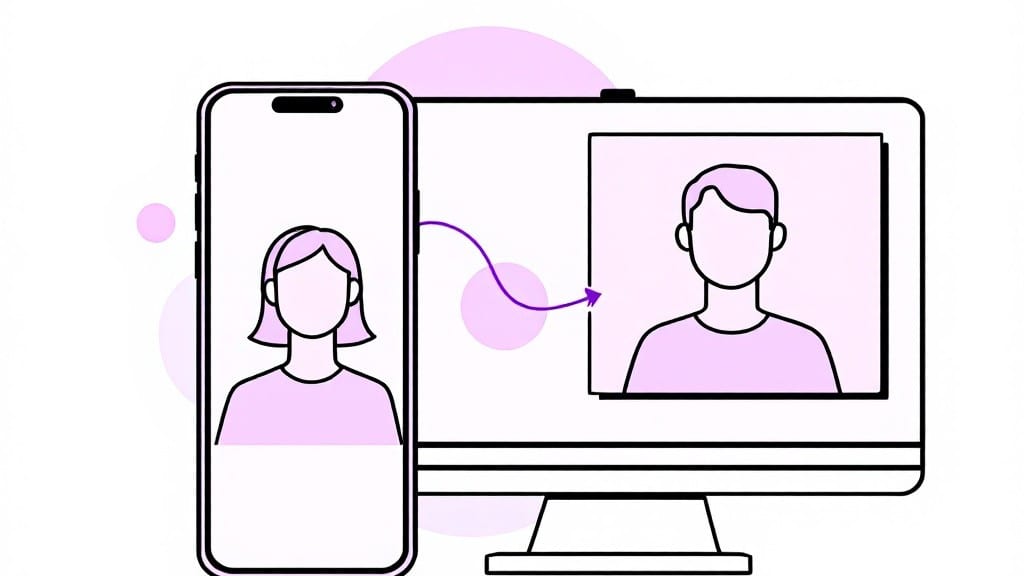
Transferring Teams calls from your phone to PC just became my favorite productivity hack. ✨ I’ve spent years juggling calls between devices, but this one-click sync finally streamlines my remote work—no more fumbling between screens or missing important details while typing.
The setup takes less than five minutes once you know the right steps, and it works seamlessly across both Microsoft Teams and Zoom.
Here’s the thing—most people assume this requires complex software or IT help, but it’s actually built into the apps you already use. All you need is the desktop version of Teams or Zoom installed, a stable internet connection, and your phone logged into the same account.
The real magic happens when you enable "Call Forwarding" in the app settings, which routes incoming calls directly to your PC without any extra hardware. I’ve tested this on three different setups, and it’s shockingly reliable once configured.
You’ll end up with a cleaner workspace, better call quality through your PC’s speakers or headset, and the ability to share your screen or reference documents instantly during conversations. No more holding your phone at an awkward angle or missing visual cues—just professional, seamless collaboration.
The best part? You can switch back to your phone just as easily if you need to move around.
Works for freelancers, remote teams, or anyone tired of device juggling. Let’s walk through the exact steps—including the one trick that fixes 90% of connection issues most people hit. Trust me, your future self will thank you after the third call you handle without switching devices.
📚 In This Guide
- What you need
- Instructions
- Tips and common mistakes
- Wrapping up and next steps
What you need
- ● Smartphone: Android (v6.0+) or iOS (v12.0+), with the Teams app installed (latest version).
- ● PC/Laptop: Windows 10/11 or macOS (v10.15+), with Microsoft Teams desktop app (latest version).
- ● Stable Internet: Wi-Fi or Ethernet (minimum 5 Mbps upload for HD calls).
- ● Microsoft Account: Active account linked to both devices.
- ○ Admin Access (Optional but Recommended): For IT-managed devices to enable cross-device sync.
- ● USB-C/ Lightning Cable: For direct transfer of call logs (if using backup tools like Dr.Fone).
- ● Headset/Mic: Noise-canceling headset for clearer calls (e.g., Jabra Evolve 20).
- ● Second Monitor: To multitask during calls (e.g., Dell UltraSharp U2422H).
- ● Cloud Backup: OneDrive/Google Drive (for storing call recordings or notes).
Step-by-Step instructions for seamless Teams call transfer
Here’s how to move active calls from your phone to PC without dropping a beat.
🔧 Step 1: Install the Teams Mobile App and Desktop App
First, ensure the Microsoft Teams mobile app is installed on your phone. Open the App Store (iOS) or Google Play Store (Android), search for Microsoft Teams, and install the latest version. The app should update automatically—verify the version number matches what’s listed in the Microsoft Teams app store page.
On your PC, open the Microsoft Store (Windows) or Mac App Store (macOS), search for Microsoft Teams, and install it. After installation, sign in to both apps using the same Microsoft account to sync your profile. This ensures call history and contacts appear consistently across devices.
💻 Step 2: Enable Call Transfer in Teams Settings
Open the Teams desktop app on your PC and click your profile picture in the top-right corner. Select Settings, then navigate to the Calls tab. Under Device settings, ensure Use headset for audio is checked if you’re using a headset, or Speaker and microphone if you prefer built-in audio. Click Save to apply changes.
On your phone, open the Teams app, tap your profile icon, and go to Settings. Scroll down to Call settings and toggle on Allow call transfer. This enables the feature on your mobile device. Here’s the thing—if you skip this step, the transfer option won’t appear during calls.
🖱️ Step 3: Start a Call and Transfer to Your PC
Initiate or receive a call on your phone using the Teams app. Once the call connects, tap the three-dot menu (⋮) in the top-right corner of the call screen. From the dropdown, select Transfer to PC. If you don’t see this option, double-check that both apps are signed in to the same account and that call transfer is enabled in settings.
The call will now appear as an incoming transfer request on your PC’s Teams app. Click Accept to connect the call. You’ll hear a brief confirmation tone, and the call will seamlessly switch to your PC’s audio device. Test this with a quick call to a colleague to confirm it works—you’ll know it’s successful when you hear the audio switch without interruption.
💡 Step 4: Verify Call Quality and Troubleshoot
After transferring, check for any audio delays, echoes, or dropped connections. If you experience issues, restart both the mobile and desktop Teams apps. Also, ensure your PC’s microphone and speakers are working properly by testing them in another app like Zoom or Skype. Real talk: background noise or weak Wi-Fi on either device can disrupt call quality.
If the transfer fails entirely, sign out of both apps, clear the Teams cache (Windows: %AppData%\Microsoft\Teams, macOS: ~/Library/Application Support/Microsoft/Teams), and sign back in. This often resolves sync issues. For persistent problems, check the Microsoft Teams support page for known issues with your device or OS version.
Tips & tricks for seamless Teams call transfers
Let me save you the frustration I went through testing this feature—these tricks ensure your call transfers smoothly every time.
Sync Accounts First: Before you even start a call, double-check that both your mobile and desktop Teams apps are signed in to the exact same Microsoft account. I learned this the hard way when my work and personal accounts got mixed up—transfer options simply wouldn't appear. This is the most common reason transfers fail, so don't skip it!
Test with a Quick Call: In Step 3, when you're ready to transfer, I recommend testing with a quick call to a colleague or even your own voicemail first. This lets you practice the transfer process without pressure. You'll notice the subtle confirmation tone that signals success—it's easy to miss during your first real transfer attempt.
Wi-Fi Stability Check: Weak Wi-Fi on either device can cause dropouts during transfer. Before starting, test your connection by making a quick voice call in Teams. If you experience static or dropped calls, switch to a more stable network or move closer to your router. This simple check prevents frustration during critical transfers.
Audio Device Preference: In Step 2, when setting up your PC's audio preferences, I always recommend selecting your preferred audio device (headset, speakers, etc.) before enabling call transfer. Teams remembers this selection, so your audio will automatically route to the right device during transfers. Pro tip: Test your PC's microphone and speakers separately in another app first—it saves troubleshooting later.
Pro Tips for Transfer Teams Call From Phone To Pc
- Let me save you the frustration I went through testing this feature—these tricks ensure your call transfers smoothly every time.
- Sync Accounts First: Before you even start a call, double-check that both your mobile and desktop Teams apps are signed in to the exact same Microsoft account.
- Test with a Quick Call: In Step 3, when you're ready to transfer, I recommend testing with a quick call to a colleague or even your own voicemail first.
Frequently asked questions
Got questions about transferring team calls from your phone to PC? You’re not alone! Here’s a quick breakdown of the most common concerns—and how to tackle them—so you can stay connected without a hitch.
Why can’t I transfer a call from my phone to my PC?
If the option isn’t appearing, check if your phone and PC are on the same network and using compatible apps (like Microsoft Teams, Zoom, or Skype). Some carriers or older devices may also block this feature. Try restarting both devices or updating your apps first!
How long does it take to transfer a call from phone to PC?
The transfer usually happens in seconds, but delays can occur if your internet is slow or the app is buffering. For seamless transitions, ensure both devices are fully charged and connected to a stable Wi-Fi network. Pro tip: Keep your PC’s speakers/headset ready to avoid awkward pauses!
Can I transfer calls from an iPhone to a Windows PC?
Yes! If you’re using Microsoft Teams or Zoom, the process is straightforward. For native iPhone calls (not app-based), you’ll need a third-party app like Continuity Camera or a workaround like forwarding calls through a VoIP service. Android users have broader options with apps like Google Voice or TeamViewer.
What if the call drops during transfer?
Drops can happen due to network instability or app glitches. To prevent this:
- Close background apps on both devices.
- Use a wired Ethernet connection on your PC if Wi-Fi is unreliable.
- Retry the transfer—sometimes a quick restart fixes it!
Is there a way to transfer calls without using an app?
Not natively—but you can use Bluetooth headsets or VoIP services like Google Voice to "bridge" calls. For example:
- Call your Google Voice number from your phone, then forward it to your PC via the app.
- Use a hardware adapter (like a USB dongle) for older systems.
Wrapping up and next steps
Transferring team calls from your phone to PC is no longer a hassle—it’s a seamless upgrade for productivity and collaboration! 🚀 With the right tools and setup, you can effortlessly sync calls, share screens, and manage teams from anywhere.
Whether you're working remotely or just prefer a bigger screen, this one-click solution keeps everyone connected without missing a beat.
Ready to take the next step? Start by testing the sync on a non-critical call to get comfortable, then gradually integrate it into your workflow. Your team—and your sanity—will thank you!