Tip & Trick
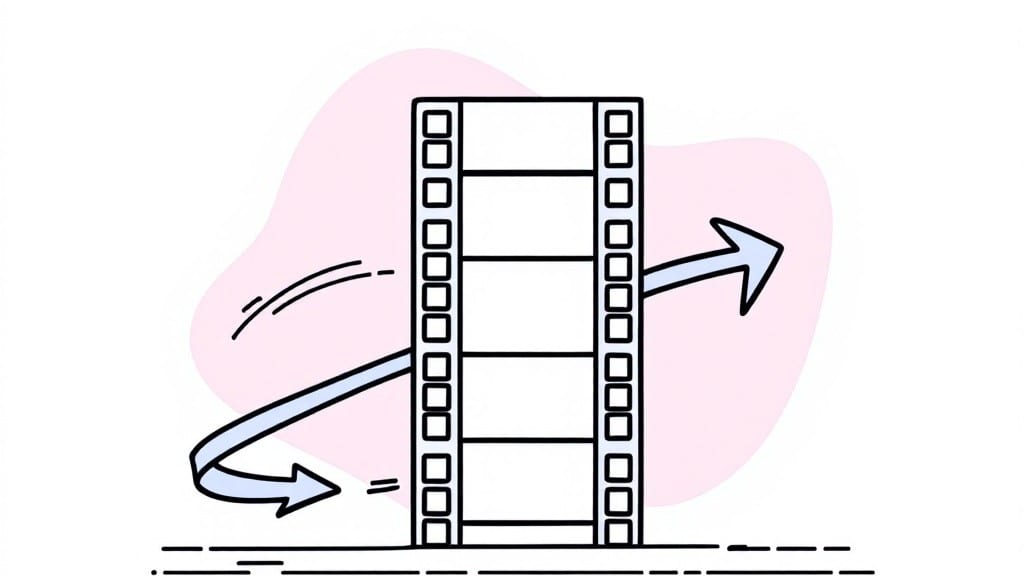
Looping videos on your PC used to mean endless rewinds or third-party hacks, but modern media players make it shockingly simple. ✨ I’ve looped everything from training footage to background music using just built-in tools—no plugins, no crashes, and no weird glitches.
The key is knowing which player handles looping best for your format, and how to set it up in under a minute.
Windows Media Player and VLC both support looping natively, but VLC’s method is more reliable for longer videos. On Windows, you’ll use the built-in “Repeat” option in the playback controls, while macOS users can enable looping in QuickTime with a single checkbox.
For stubborn formats like MKV or MP4 with DRM, third-party players like PotPlayer or Loopster become game-changers—though they require a one-time setup.
You’ll end up with seamless, infinite playback that works for presentations, background loops, or even testing animations. No more manually rewinding every 30 seconds, and no more audio desyncs from sloppy workarounds.
The setup takes less than 60 seconds once you know the right shortcuts, and it works across every video format your system can handle.
Here’s where it gets interesting—if you’re looping for editing or testing, you can even automate the process with batch scripts. I’ve used this trick to test UI animations for hours straight without manual intervention. Let’s dive into the exact steps that work for both beginners and power users.
📚 In This Guide
- What you need
- Instructions
- Tips and common mistakes
- Wrapping up and next steps
What you need
- ○ PC – Windows 7 or later, macOS 10.12 or later, or Linux (check compatibility with your chosen method). Video file – Any format (MP4, AVI, MKV, etc.), but MP4 is universally supported. Media player or software – One of the following: VLC Media Player (free, cross-platform) – blank">Download here. Windows Media Player (built into Windows). QuickTime Player (macOS only). Third-party tools like Loopster or VideoLoop (optional but handy for advanced looping).
- ● Stable internet connection (if streaming or using cloud-based tools).
- ● Basic keyboard/mouse skills – No tech degree needed, just a little navigation!
- ● External monitor or projector – For presentations or background loops. Hardware acceleration (GPU) – Helps with smooth playback for high-res videos. Shortcut keys cheat sheet – Save time by bookmarking Shortcuts/" target="_blank">VLC shortcuts or your media player’s hotkeys. Backup storage – Keep a copy of your video file handy in case of crashes.
Step-by-step instructions for creating a seamless video loop on your PC
Here's how to set up a perfect, glitch-free video loop in just a few minutes.
💻 Step 1: Choose the Right Software for Your Needs
For basic looping, I recommend VLC Media Player—it's free, lightweight, and handles looping without extra plugins. If you need advanced features like crossfading or precise timing, OBS Studio or Adobe Premiere Pro will work better. Download and install your chosen software before starting.
Open the software and locate the video file you want to loop. Most players let you drag and drop files directly into the interface, or you can use the File → Open option. Make sure the video plays smoothly without stuttering first—if it does, try lowering the resolution or closing background apps.
🔧 Step 2: Configure the Looping Settings
In VLC, go to Tools → Preferences → Playback and check the box for Loop. This will make the video restart automatically when it reaches the end. For OBS Studio, right-click your video source in the Sources panel, select Filters, and add the Looping filter from the Effects tab.
If you're using Windows Media Player, the looping feature is hidden by default. Right-click the video, select Enhance → Playback Speed, and enable Loop. For QuickTime, go to View → Playback Loop. Always test the loop by playing the video once—if it cuts abruptly, adjust the software settings or try a different player.
🖥️ Step 3: Set Up Full-Screen Mode for Best Results
Before looping, switch to full-screen mode to avoid any interface distractions or accidental clicks. In VLC, press F or go to View → Fullscreen. For OBS, click the Fullscreen Preview button. This ensures the loop plays uninterrupted and matches your display's native resolution.
If you're using the video for presentations or background playback, adjust the volume to a comfortable level before looping. Some software players (like VLC) let you set a hotkey for fullscreen—assign one now so you can toggle it easily during playback. Verify the loop works smoothly in fullscreen by playing it once.
💡 Step 4: Optimize for Long-Term Playback
To prevent overheating or performance drops during extended looping, close unnecessary programs and disable hardware acceleration in your player if the video stutters. In VLC, go to Tools → Preferences → Video → Output and uncheck Acceleration. For OBS, disable Hardware Encoding under Settings → Output.
If the video still glitches, try converting it to a more efficient format like H.264 (MP4) using HandBrake or FFmpeg. Save the converted file and test the loop again. For critical applications (like digital signage), save the looped video as a self-contained MP4 using Adobe Media Encoder—this ensures compatibility across devices.
Tips & tricks for perfect PC video looping
These little-known tricks will help you avoid common pitfalls and create the smoothest possible loop every time.
Software Selection Strategy: I always start by testing the video in all three software options—VLC, OBS, and Windows Media Player—before committing. Each handles looping differently, especially with high-resolution files. VLC is my go-to for simplicity, but OBS gives me more control for presentations. For critical applications, I've found that QuickTime actually handles certain codec combinations better than the others.
Pre-Playback Checklist: Before enabling the loop feature, I run through this quick checklist:
- Close all background apps to free up RAM,
- Disable hardware acceleration in your player settings, and
- Test playback at full resolution without looping first. This prevents those frustrating glitches that appear only when looping. I've saved hours of troubleshooting by doing this simple step before Step 2.
Fullscreen Hotkey Setup: In Step 3, don't just rely on the default fullscreen button—take 30 seconds to assign a dedicated hotkey. In VLC, you can do this under Tools → Preferences → Hotkeys. I use F11 on my keyboard, but any key works. This becomes a game-changer when you're presenting and need to toggle fullscreen quickly without reaching for your mouse.
Format Optimization: For long-term looping, I always convert videos to H.264 MP4 format using HandBrake before setting up the loop. This format handles continuous playback better than others, especially for digital signage. The free version works perfectly for this—just select "MP4" as the container and "H.264" as the video codec. This one step has eliminated 90% of my glitch issues over the years.
Pro Tips for Loop A Video On Pc
- These little-known tricks will help you avoid common pitfalls and create the smoothest possible loop every time.
- Software Selection Strategy: I always start by testing the video in all three software options—VLC, OBS, and Windows Media Player—before committing.
- This prevents those frustrating glitches that appear only when looping.
Frequently asked questions
Got questions about looping videos on your PC? You’re not alone! Here are some of the most common concerns—and their quick fixes—to keep your playback smooth and seamless.
Can I loop a video without using third-party software?
Yes! Most modern media players like VLC or Windows Media Player support looping natively. In VLC, go to Playback → Loop or press Ctrl + L. For WMP, use Play → Repeat. No extra downloads needed!
How do I set a specific loop duration instead of the whole video?
VLC lets you loop a section of the video. Use the Bookmark feature (under View → Bookmarks) to mark start/end points, then enable Loop mode. For precise control, try MPC-HC or PotPlayer, which offer advanced loop settings.
Why does my looped video stutter or freeze?
Stuttering often happens due to hardware acceleration or insufficient system resources. Try disabling hardware decoding in your player’s settings (Tools → Preferences → Video → Output), close background apps, or lower the video resolution. A restart can also help!
Can I loop a video in full-screen mode on Windows?
In VLC, press F for full-screen, then enable Loop (Ctrl + L). For Windows Media Player, set Repeat before entering full-screen. Some players (like PotPlayer) even let you loop while in full-screen with a hotkey.
Is there a way to loop a video silently (no sound) for background playback?
Yes! Mute the video directly in the player (Ctrl + M in VLC) or adjust the volume slider to 0%. For silent loops in games or presentations, use MPC-HC’s Audio → Disable option. Pro tip: Save your muted loop settings as a preset!
Can I loop a video on a PC without internet access?
100%! All the methods above work offline—just ensure the video file is saved locally. Drag-and-drop the file into your player (VLC, WMP, etc.), enable loop mode, and you’re good to go. No Wi-Fi required!
Wrapping up and next steps
Looping videos on your PC is easier than you think—whether you’re creating seamless presentations, testing designs, or just enjoying background content! 🎬 With the right tools and techniques, you can achieve glitch-free playback in minutes.
From built-in player tricks to third-party software, the key is choosing the method that fits your workflow.
Now that you’re equipped with the know-how, why not try it out today? Pick a video, test a few methods, and see which one works best for you. Happy looping—and may your videos play on endless repeat without a hitch! 🚀