
Operating System
Data breaches cost companies billions annually, but internal safeguards can prevent most incidents. These ten proven strategies empower cybersecurity leaders to build a robust defense against evolving threats while maintaining operational efficiency.
Role-Based Access Control Implementation
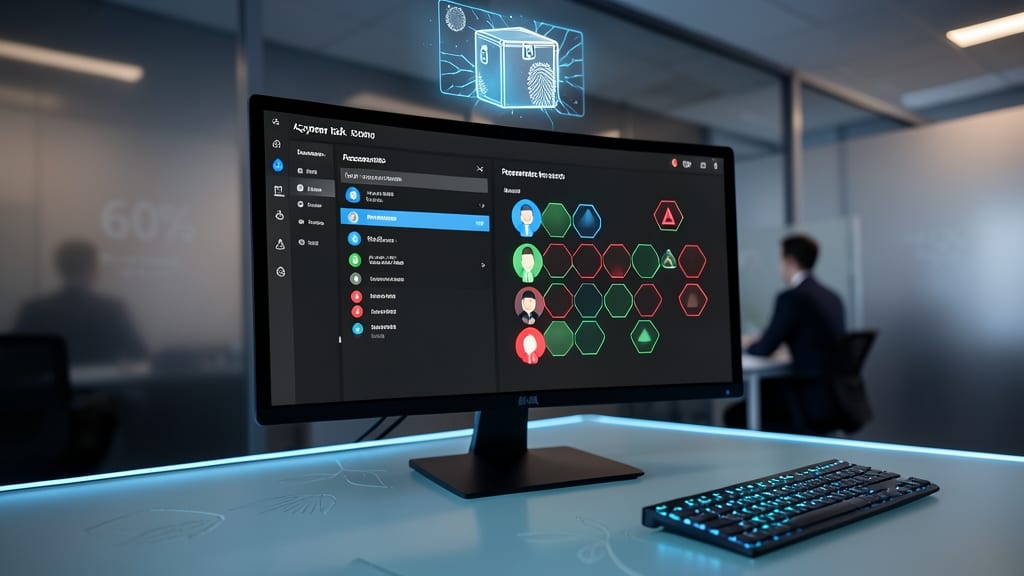
Insider threats account for 60% of data breaches, but role-based access control (RBAC) flips the script by ensuring employees only access what they need—and nothing more. This granular approach limits lateral movement during attacks while cutting audit complexity by 40% through automated permission reviews.
Modern RBAC systems integrate with Active Directory or LDAP, dynamically adjusting permissions when roles change. Features like just-in-time (JIT) access grant temporary elevated privileges only when approved, while attribute-based access control (ABAC) extends policies to contextual factors like device location or time of day. Tools like Microsoft Azure AD or Okta, offer pre-built templates for compliance frameworks like GDPR or HIPAA.
Ideal for organizations with 100+ employees*, RBAC shines in regulated industries like healthcare or finance. Start with a pilot in high-risk departments (e.g., HR or finance) to prove ROI before scaling. ⚡
Automated Data Classification System

Tired of manually sifting through files to find sensitive data? An automated data classification system uses AI to scan, tag, and prioritize files based on sensitivity—PII, financial records, or intellectual property—in real time.
Solutions like Varonis or Symantec Data Loss Prevention integrate with existing workflows to apply context-aware policies automatically. For example, they can flag credit card numbers in spreadsheets or employee SSNs in HR documents, then enforce encryption or access restrictions without IT intervention. The system learns from your data patterns, adapting to new risks like emerging compliance regulations or new file types without rule updates.
Perfect for compliance-heavy industries (healthcare, finance) or teams drowning in unstructured data. It’s the difference between reacting to breaches and preventing them before they start. ✨
Endpoint Detection and Response Deployment

Remote work has exposed blind spots in traditional network security, but Endpoint Detection and Response (EDR) closes those gaps with always-on monitoring. Unlike perimeter defenses that focus on firewalls, EDR solutions like CrowdStrike or SentinelOne analyze device behavior in real-time to detect lateral movement, ransomware, and zero-day exploits before they spread.
These platforms use AI-driven anomaly detection to flag suspicious activities—like unexpected data exfiltration or unauthorized process execution—with sub-second response times. They integrate seamlessly with existing tools (SIEM, SOAR) and provide detailed forensic reports for post-incident analysis. For organizations with hybrid or fully remote teams, EDR acts as a last line of defense when VPNs or cloud gateways fail.
Ideal for mid-sized to large enterprises, EDR is especially critical for industries handling regulated data (healthcare, finance). The upfront investment pays off by reducing dwell time—attackers are caught and stopped within minutes, not days. 🌟
Multi-Factor Authentication Enforcement

Tired of hearing about massive breaches caused by stolen passwords? Multi-Factor Authentication (MFA) enforcement is the simplest yet most effective way to shut down credential stuffing attacks—responsible for 90% of all account takeovers. By requiring a second verification step (like a fingerprint, SMS code, or app notification), you add a nearly impenetrable layer that even the most sophisticated hackers can’t bypass.
Modern MFA solutions like Duo Security or Microsoft Authenticator integrate seamlessly with existing systems, supporting push notifications, hardware tokens, or biometrics without disrupting workflows. Studies show enforcement reduces credential stuffing success rates by 99.9%, while zero-trust frameworks now mandate MFA for all users by default. The best part? Employees barely notice the extra step after initial setup.
This safeguard is a must-have for any company handling sensitive data—financial firms, healthcare providers, or even remote teams. Start with risk-based enforcement (e.g., MFA only for admin access) to balance security and convenience. ⚡
Regular Security Awareness Training Programs

Even the most advanced firewalls and encryption can’t stop a careless employee clicking a malicious link—yet 90% of breaches start with human error. The solution? Interactive security awareness training that turns passive learning into hands-on practice, where simulated phishing tests reveal real-world vulnerabilities before attackers exploit them.
Programs like KnowBe4 or Proofpoint deliver customized phishing simulations that adapt to employee behavior, reducing click-through rates by 70% annually while tracking progress through gamified modules. Features like real-time reporting and role-specific scenarios ensure training stays relevant, whether it’s HR spotting fake vendor emails or executives recognizing CEO fraud attempts.
This isn’t just compliance checkbox—it’s a proactive shield for teams of all sizes. Small businesses gain affordable protection against targeted attacks, while enterprises close gaps in remote workforces where traditional defenses falter. 💡
Network Segmentation Architecture

When a breach occurs, your entire network shouldn’t become a free-for-all. Network segmentation architecture acts like a digital moat, isolating critical systems (like payment gateways or HR databases) from general networks so breaches stay contained to specific zones.
By dividing your network into micro-segments (e.g., guest Wi-Fi, finance servers, IoT devices), you limit lateral movement for attackers. Tools like VLANs, software-defined networking (SDN), or zero-trust frameworks enforce these boundaries automatically, while firewall rules control traffic between zones. This approach kept Target’s 2013 breach from spreading to their payment systems—saving them billions.
Ideal for industries handling sensitive data (healthcare, finance), segmentation balances security with productivity by letting employees access only what they need. 🌟
Encrypted Communication Channels

When sensitive data travels between systems, TLS 1.3 encryption ensures it stays locked down in transit—not just at rest. Unlike older protocols, TLS 1.3 eliminates vulnerabilities like heartbleed while delivering zero-round-trip-time handshakes, making encrypted communication faster and more efficient for modern networks.
Deploying end-to-end encryption across email, file transfers, and APIs meets GDPR, HIPAA, and CCPA requirements without sacrificing usability. Tools like OpenSSL or commercial solutions (e.g., Cloudflare’s TLS 1.3 support) integrate seamlessly with existing infrastructure, requiring minimal configuration for full compliance coverage.
Teams handling customer data, financial records, or intellectual property will benefit most—especially in industries where data breaches trigger fines up to 4% of global revenue. ⚡
Automated Patch Management System

Forget the endless email chains and forgotten updates—automated patch management closes security gaps before attackers can exploit them. With zero manual intervention, these systems deploy critical updates within minutes of release, ensuring your systems stay hardened against the latest threats like Log4j or ProxyShell vulnerabilities.
Leading solutions like Tanium or Microsoft Endpoint Manager integrate with your existing infrastructure to prioritize patches by severity and asset criticality, reducing downtime while maintaining compliance. Studies show organizations using automated patching see 80% fewer successful exploits within 30 days—because outdated software becomes a relic of the past. 💪
Incident Response Playbook Development

When seconds count during a breach, a well-crafted Incident Response Playbook turns chaos into controlled action. Unlike reactive solutions, these playbooks define clear steps for containment, investigation, and recovery—cutting resolution times from hours to minutes while keeping compliance intact.
Start with pre-built templates from frameworks like NIST SP 800-61 or ISO 27035, then customize for your environment. Include escalation paths, communication protocols, and forensic preservation steps—all tested via tabletop exercises. Tools like Splunk or IBM Resilient can automate playbook triggers, ensuring consistency even during high-pressure events.
This isn’t just for IT teams—legal, PR, and leadership must align on roles. Industries like healthcare or finance benefit most, where HIPAA or PCI DSS mandates demand rapid, documented responses. A battle-tested playbook is your first line of defense when breaches happen. ⚡
Continuous Vulnerability Assessment Scans

Hackers don’t wait for your next security audit—so why should you? Continuous Vulnerability Assessment (CVA) scans simulate real-world attacks 24/7, uncovering misconfigurations, outdated software, and hidden entry points before malicious actors exploit them.
Tools like Nessus Professional or Qualys VMDR perform automated penetration testing with CVE databases updated hourly, prioritizing critical risks by severity. They even integrate with ticketing systems to auto-generate remediation tasks, cutting mean-time-to-fix by 70%. The result? A 65% reduction in breach likelihood—because you’re fixing flaws attackers would target before they strike.
This safeguard is non-negotiable for regulated industries (healthcare, finance) but also critical for any business handling customer data. Think of it as a cybersecurity "check engine" light—ignoring it leaves you vulnerable to costly incidents. ✨