
Tip & Trick
Mastering keyboard shortcuts can drastically boost your productivity. These 10 symbols starting with 'A' offer quick access to essential functions across Windows, macOS, and productivity apps that most users overlook.
Alt Key for Menu Access

Stuck reaching system menus without a mouse? The Alt key is your secret weapon for navigating Windows applications like a pro. Whether you're accessing dropdown menus, opening context-sensitive options, or triggering hidden features, this single key unlocks functionality most users miss entirely.
Press Alt alone to reveal a program’s menu bar (File, Edit, View, etc.), then release it to select an option—no mouse required. Combine it with F4 to close windows instantly, or use Alt+Tab to switch between open apps. For power users, Alt+Drag lets you move windows without borders, while Alt+Enter opens file properties in File Explorer. These shortcuts aren’t just efficient; they’re essential for accessibility and speed.
Developers, sysadmins, and anyone with repetitive tasks will love how Alt transforms workflows. Try it today and rediscover how much faster your computer can feel! ⚡
At Symbol (@) for Email Addresses

Without the @ symbol, modern digital life would grind to a halt—it’s the backbone of every email address, from your personal Gmail to corporate accounts. This unassuming character, officially called the "at sign," connects usernames to domain names, enabling seamless communication across platforms like Outlook, LinkedIn, and even social media logins.
Beyond email, the @ symbol appears in usernames (e.g., Twitter handles), programming (like Python decorators), and file paths. Its Unicode code point is U+0040, and it’s preloaded on every standard keyboard layout, ensuring universal accessibility. Typing it is effortless—just press Shift + 2 on QWERTY keyboards.
For anyone managing multiple accounts or working in tech, mastering this symbol is non-negotiable. Whether you're setting up a new profile or debugging a login issue, the @ symbol is your digital glue. ⚡
Arrow Keys for Navigation

If you spend hours scrolling through spreadsheets or editing code, the arrow keys are your silent productivity partners. These four keys—Up, Down, Left, and Right—control cursors, navigate menus, and manipulate data without reaching for a mouse, cutting down on wasted motion.
In VS Code, they let you jump between lines of code, while in Excel, they move seamlessly across cells—critical for data analysts crunching numbers. Combined with Shift or Ctrl, they enable multi-cell selection or text highlighting in a flash. Even in terminal-based apps, arrow keys recall previous commands, saving time when typing repetitive scripts.
Developers debugging or analysts reviewing large datasets will love how arrow keys reduce hand strain and speed up workflows. Mastering them turns passive scrolling into active, efficient navigation. 💻
Angle Brackets ( < > ) for Coding

If you’ve ever stared at a line of code and wondered how those tiny symbols like `
` or <html> actually work, angle brackets are the backbone of web development and structured data.
In HTML, they define tags like `
` for paragraphs or <a> for links, while XML uses them for nested data structures. Even in programming, angle brackets denote templates in C++ (<vector>) or generics in Java. Their precision ensures parsers read your code correctly, making them non-negotiable for syntax validation.
Web developers and software engineers rely on them daily—whether crafting responsive layouts or parsing configuration files. Mastering their use is your first step toward writing clean, machine-readable code. ✨
Ampersand (&) for Logins and Filenames
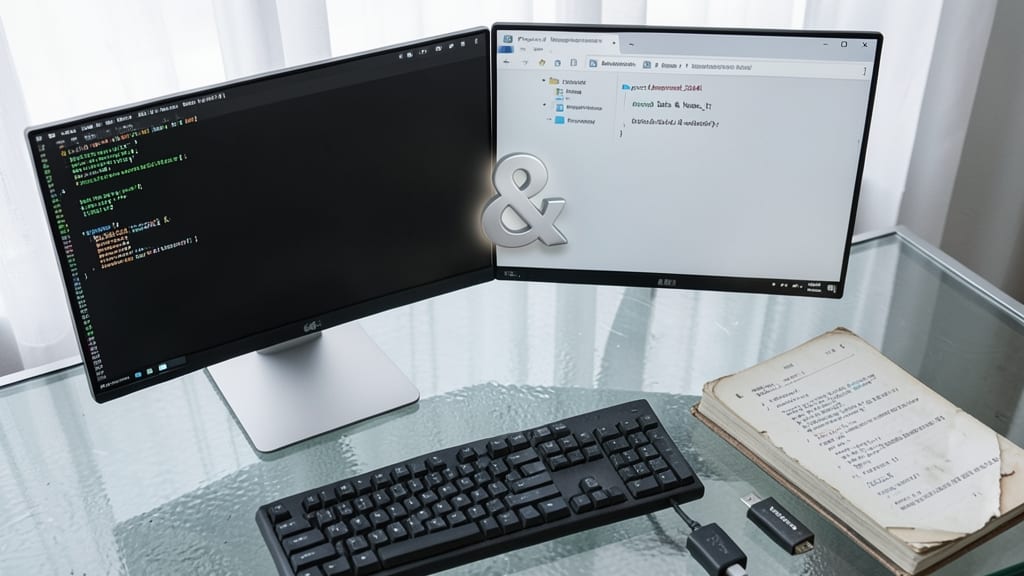
Ever struggled to create a username or organize files with spaces? The ampersand (&) is your secret weapon—used in usernames, file paths, and even programming to bypass restrictions and simplify complex structures.
In Linux/Unix systems, it’s a go-to for scripting and batch files, while Windows allows it in folder names (e.g., Project&Notes). Developers rely on it in URLs (e.g., ?param1=value¶m2=value) and HTML (e.g., <input type="checkbox" checked>). Its Unicode (U+0026) makes it globally accessible across keyboards.
System admins and developers managing servers or legacy systems will find it indispensable for clean, functional filenames—no more underscores or hyphens clogging up directories. 💪
Accent Grave (`) for Code and Special Characters
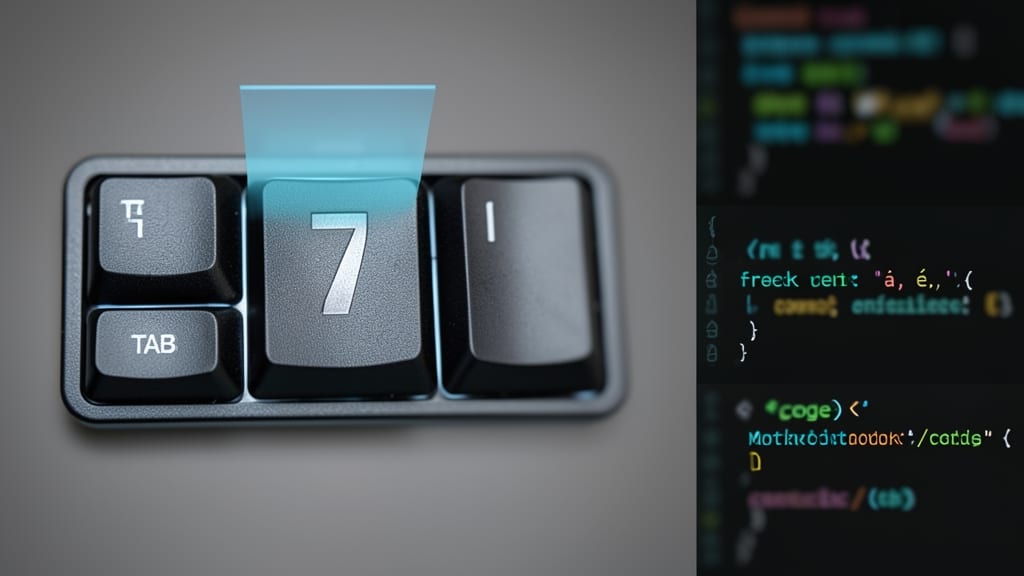
Hidden behind the Tab key on most keyboards, the accent grave (`) is a powerhouse for developers and writers. It’s the secret weapon for escape sequences in programming, creating special characters like à, è, and ù, and even generating backticks for code formatting in Markdown.
In code, it’s essential for escaping characters in languages like Python and Bash (e.g., `` echo "Hello ``). For typography lovers, pressing Shift + ` unlocks a world of non-ASCII characters, perfect for French, Spanish, or even creating stylized quotes. Many developers also use it to wrap code snippets in documentation or comments.World"
If you work with programming, multilingual text, or technical writing, this unassuming key is your shortcut to precision. Master it, and you’ll never fumble with special characters again. 💡
Asterisk (*) for Wildcards and Multiplication
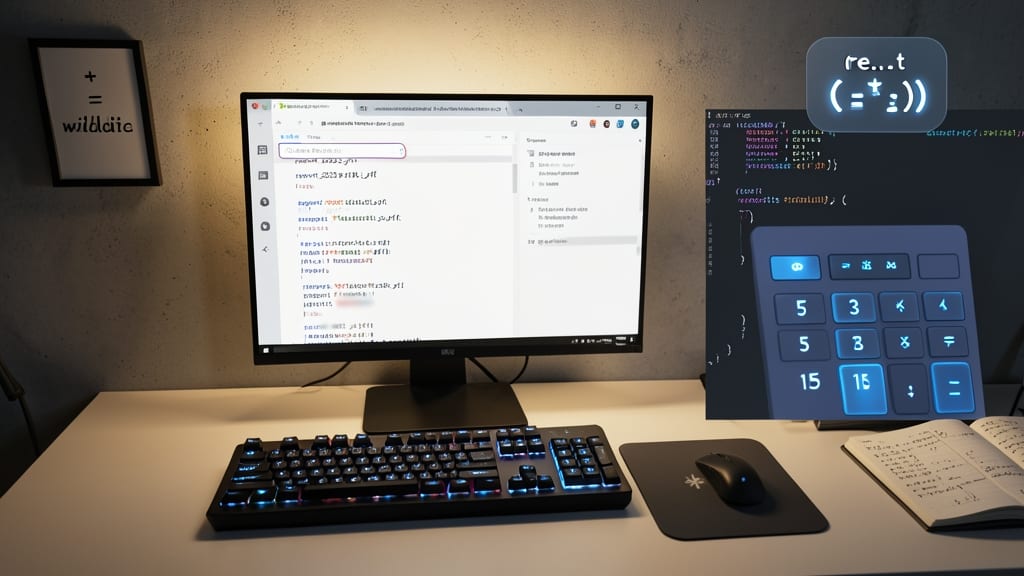
Need to find files fast or crunch numbers efficiently? The asterisk () is your secret weapon—it’s the ultimate wildcard in searches, a regex powerhouse, and even handles multiplication in math.
In file explorers, matches any sequence of characters (e.g., report.pdf finds all PDFs starting with "report"). Regex patterns use it for dynamic text matching, while spreadsheets like Excel rely on it for formulas like =SUM(A1:A102). Its versatility spans programming, data analysis, and even password generators.
Data analysts and programmers will love how it streamlines repetitive tasks, while casual users can leverage it for smarter file searches. Master this symbol, and you’ll save hours on manual work. ✨
Acute Accent (´) for Language Support

Struggling to type "café" or "resumé" correctly? The acute accent (´) is your secret weapon for flawless multilingual typing. Whether you’re drafting emails in Spanish, writing code comments in Portuguese, or localizing content for international markets, this tiny symbol unlocks proper diacritics without switching keyboards.
On most keyboards, press Shift + 6 (US layout) or Alt + 0225 (numeric pad) to insert it. In Windows, enable US International or Spanish layouts for direct access via ´ key. For macOS, the Option + e combo works like a charm—no extra steps needed. This symbol also supports Czech, Vietnamese, and Indonesian typing, making it a global essential.
If you work remotely with teams in Latin America or handle localized documentation, mastering the acute accent ensures professionalism. Even casual travelers benefit—correct accents prevent miscommunication in menus, signs, and forms. ⚡
Alt Code Input for Special Characters

Need that perfect copyright symbol (©) or Euro sign (€) but your keyboard lacks them? The Alt Code method lets you type any Unicode character using just your numeric keypad—no special keyboard or copy-paste required.
Simply hold Alt, type the 4-digit Unicode number (e.g., 0169 for © or 0128 for €), then release Alt. Works in Windows apps, documents, and even some games. For example, Alt + 0169 instantly inserts a copyright symbol—perfect for legal documents, logos, or social media posts.
Designers and writers will love this zero-config solution for rare symbols like ™ (0153) or § (0167). No language packs or font tweaks needed—just pure flexibility. ✨
Auto-Correct Shortcuts in Office Apps
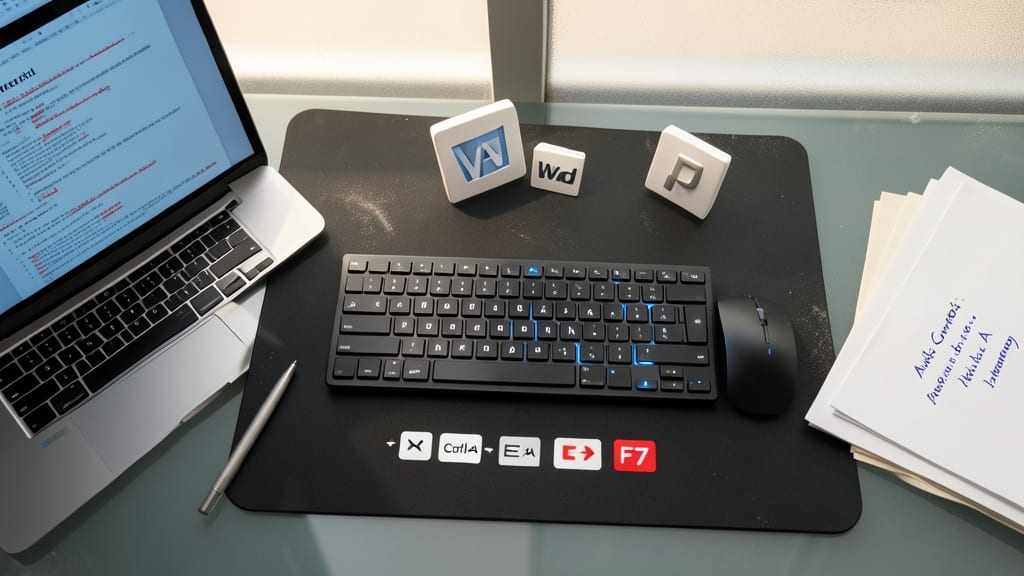
Tired of wasting time correcting typos and formatting errors in your documents? Microsoft Office’s auto-correct shortcuts—especially those involving the 'A' key—can shave minutes off your workflow every day. These hidden gems let you fix common mistakes instantly, whether you're drafting reports in Word, crunching numbers in Excel, or designing slides in PowerPoint.
Press Ctrl+A (Windows) or Cmd+A (Mac) to select all text, but did you know Ctrl+Shift+A toggles AutoCorrect options? Even better, Alt+Enter inserts a line break in Word, while Ctrl+Shift+A (or Cmd+Shift+A on Mac) cycles through AutoCorrect suggestions for misspelled words. For spreadsheets, Ctrl+Shift+A in Excel applies AutoFill to selected cells, saving you from manual data entry. These shortcuts work seamlessly across all Office apps, making them a must-know for busy professionals. ✨