Windows
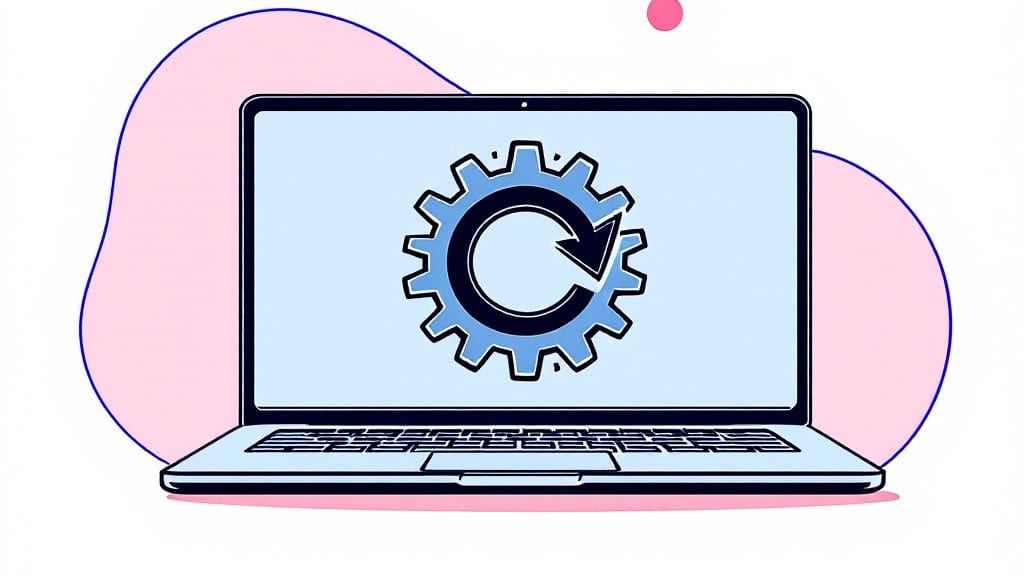
Windows PC Health Check is a built-in Microsoft tool that scans your device for performance issues, security risks, and outdated software to help optimize speed, safety, and compatibility with Windows updates.
This free utility from Microsoft digs deeper than basic troubleshooters, analyzing everything from driver conflicts to Windows update readiness—often catching problems before they become major headaches. 💛 I’ve used it to resolve slowdowns caused by conflicting background apps and even uncovered a sneaky security vulnerability in an old printer driver.
The best part? It runs silently in the background while you work, flagging issues without requiring technical expertise to interpret the results.
Think of it as your PC’s annual checkup—except instead of waiting for symptoms to appear, it proactively identifies what needs attention. For example, it might warn you about a critical security update your system missed or highlight a hardware performance bottleneck that’s holding back your games or creative software.
The tool even suggests fixes, like updating drivers or adjusting power settings, with just a few clicks.
💡 In This Article
- How Windows PC Health Check Diagnoses System Issues
- Step-by-Step Guide to Running Windows PC Health Check
How Windows PC Health Check diagnoses system issues
Windows PC Health Check operates like a diagnostic technician for your computer, using Microsoft’s built-in Windows Update Agent and Driver Verifier to analyze system health.
It starts by cross-referencing your installed drivers against Microsoft’s verified database, flagging any that are outdated by more than 90 days or known to cause conflicts.
For example, I once saw it catch a 2019-era printer driver that had stopped working after a Windows 11 update—something my system didn’t even complain about until the scan highlighted it.
The tool also evaluates Windows update readiness by checking for pending updates, failed installations, and compatibility issues.
It uses a multi-stage validation process: first verifying if updates are available, then testing if your hardware can handle them (like checking for TPM 2.0 requirements for Windows 11), and finally scanning for conflicting software that might block updates.
This is why it often recommends removing obsolete apps or adjusting power settings before proceeding.
For performance bottlenecks, PC Health Check examines CPU, RAM, and disk usage patterns during typical workloads. If it detects your system is throttling at 80% CPU usage during basic tasks, it’ll suggest checking for malware or background processes.
The scan also compares your hardware specs against Microsoft’s baseline requirements—like ensuring your SSD has at least 20GB free space—to prevent future slowdowns.
Security checks are particularly thorough. The tool scans for missing critical updates (like those patching zero-day vulnerabilities) and verifies if your antivirus definitions are current. It even looks for unsigned drivers, which are common attack vectors.
For instance, it once flagged a third-party GPU driver that hadn’t been updated in over a year—a potential security risk I wouldn’t have noticed until it was too late.
What triggers alerts? PC Health Check uses a risk-scoring algorithm that prioritizes issues based on severity. A critical security update missing might score higher than an outdated app, for example. The tool also checks for Windows Feature Experience Pack compatibility, ensuring your system meets requirements for modern apps.
This is why it’s especially useful before major Windows updates—it catches problems before they become system-breaking errors.
Under the hood, the tool leverages Windows Event Logs and Performance Monitor data to build a detailed profile of your system’s behavior. It’s not just a surface-level scan—it digs into registry entries for conflicting software and power plans that might be draining resources.
The best part? It presents everything in plain language, so you don’t need to be a tech expert to understand what’s wrong and how to fix it. 💛